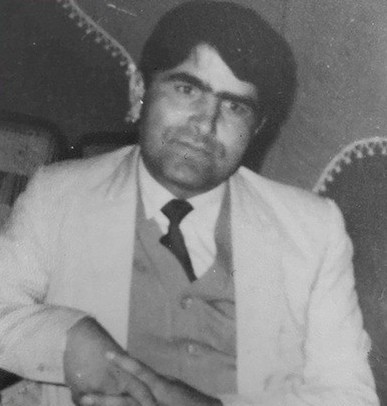
Prof K L GanjooFull name: Prof K L Ganjoo
Date of birth: Unavailable in publicly accessible records
Place of residence: Sopore, Baramulla
Date of death: May 1990 (reported as 7 May 1990 in several victim records).
Place of death: Sopore, Baramulla District, Jammu & Kashmir
FIR / Case No.:No publicly available FIR number or case record could be located.
Remembrance & Record
Life Summary: Prof. K. L. Ganjoo was an academic and agricultural scientist who lived in Sopore with his family. Contemporary accounts describe him as an educated professional associated with agricultural research and higher education. Like many members of the Kashmiri Pandit community, he remained in the Valley during the turbulent months of 1990 despite increasing insecurity and targeted violence.
Circumstances of Death: According to multiple historical accounts, Prof. K. L. Ganjoo and his wife, Mrs. Prana Ganjoo, were abducted in Sopore in May 1990. Reports indicate that both were subsequently killed during their captivity. While the precise sequence of events varies among published accounts, the available sources consistently record that the couple was kidnapped and murdered during a period of escalating violence and intimidation directed at civilians in the Kashmir Valley.
Known Perpetrators: No publicly available judicial record identifying or convicting the perpetrators has been located. Contemporary reports and historical accounts attribute the abduction and killings to militants active in the region during that period; however, the identities of the assailants remain unverified in official public records.
Family Details (survived by, if known): Publicly available records do not provide verified information regarding surviving children or other immediate family members. Available sources primarily document the deaths of Prof. K. L. Ganjoo and his wife, Prana Ganjoo
Tribute / Notes: Prof. K. L. Ganjoo is remembered as a member of Kashmir’s academic community whose life was cut short during one of the most painful periods in the Valley’s recent history. His story remains part of the collective memory of the Kashmiri Pandit community and serves as a reminder of the human cost of violence, displacement, and intolerance.